
Drawing Tablets for Digital Art: 5 Picks for Personal Use
As an Amazon Associate, I earn from qualifying purchases. Some links may earn us a commission at no extra cost to you.
For drawing tablets, I care most about pen feel + latency (how natural it feels to draw without fighting the device). After that: screen quality (if it has one), driver stability, and ergonomics for long sessions.
Top picks
Wacom Cintiq 16 — Best “serious upgrade” pen display for desk artists
A larger, comfortable canvas when you want a screen you draw directly on. Why it wins: dependable ecosystem and a “buy once, keep for years” feel.

Pros
- Big workspace for cleaner line control
- Strong pen-and-driver reputation
- Great for long sessions at a desk
Cons
- Needs a computer (not standalone)
- Requires desk space
Trade-offs / Who should skip (failure cases)
- Skip if you draw mostly on the go (it’s a desk-first setup).
- Skip if you want a simple one-cable lifestyle (your setup may need adapters/cable management).
Scores: Performance 5/5 • Primary metric (pen feel/latency) 5/5 • Ease of Use 4/5 • Value 4/5
HUION Kamvas 13 (Gen 3) — Best value pen display for small desks
A screen tablet that’s easier to fit into tight spaces while still feeling like “real” digital drawing. Why it wins: strong feature set for the size.

Pros
- Compact screen size that still feels usable
- Good entry point to “draw on screen” workflow
- Portable enough to move around the house
Cons
- Needs a computer
- Setup can be cable-sensitive depending on your device ports
Trade-offs / Who should skip (failure cases)
- Skip if you hate troubleshooting cables/ports (pen displays can be pickier than basic tablets).
- Skip if you need lots of shortcut keys on-device (you might prefer a larger model).
Scores: Performance 4/5 • Primary metric (pen feel/latency) 4/5 • Ease of Use 3.5/5 • Value 4.5/5
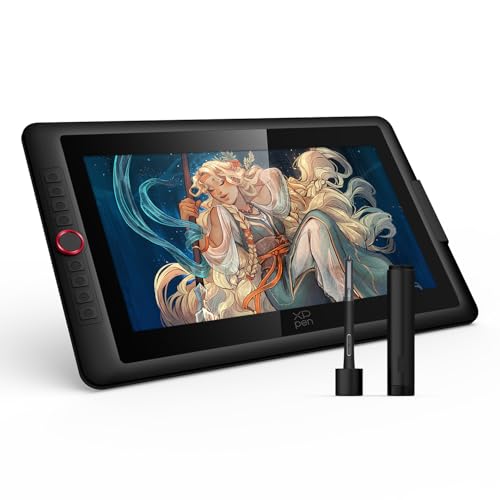
XP-PEN Artist 15.6 Pro V2 — Best bigger-budget alternative to premium displays
A larger drawing-on-screen experience without jumping to the most expensive tier. Why it wins: more screen space for brushwork, animation, and layered illustrations.
Pros
- Larger canvas helps with detail work
- Great for multi-panel layouts and timelines
- Often a sweet spot between “small display” and “huge display”
Cons
- Needs a computer
- Bigger display means less travel-friendly
Trade-offs / Who should skip (failure cases)
- Skip if you draw in coffee shops/classes a lot (size adds friction).
- Skip if you’re sensitive to desk clutter (bigger screen = bigger footprint).
Scores: Performance 4.5/5 • Primary metric (pen feel/latency) 4/5 • Ease of Use 4/5 • Value 4/5
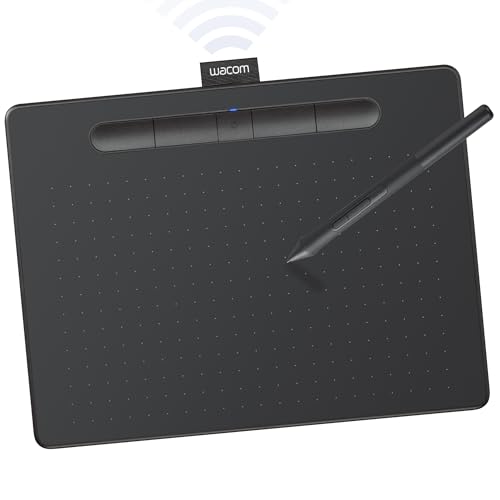
Wacom Intuos Medium (Bluetooth) — Best non-screen tablet for learning fundamentals
A classic “draw on the tablet, look at the monitor” setup that’s affordable and reliable. Why it wins: a straightforward way to build skill without paying for a display.

Pros
- Simple, durable, low-fuss option
- Great for beginners (and for photo/graphics work)
- Easier to pack than a pen display
Cons
- Hand-eye coordination learning curve (tablet vs screen)
- Smaller active area than large pro tablets
Trade-offs / Who should skip (failure cases)
- Skip if you already know you hate the “look up while drawing” workflow.
- Skip if you want a true paper-like feel without extra accessories.
Scores: Performance 4/5 • Primary metric (pen feel/latency) 4/5 • Ease of Use 4/5 • Value 4.5/5
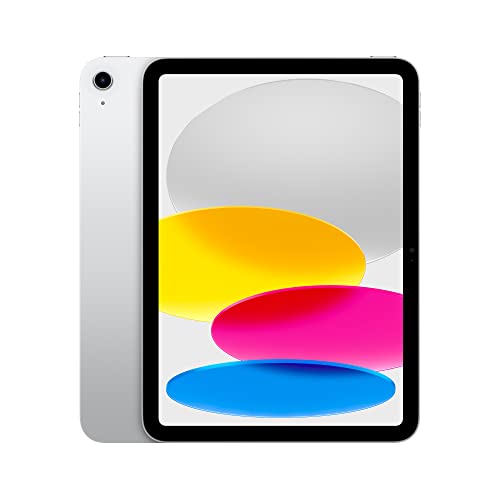
Apple iPad (10th Generation) — Best standalone “draw anywhere” tablet
If you want to sketch on the couch, in class, or while traveling—this is the easiest grab-and-go option. Why it wins: it’s a full tablet first, drawing device second.
Pros
- Standalone (no computer required)
- Great for portable sketching and note-taking
- Doubles as an everyday media/school tablet
Cons
- Stylus is typically separate
- App/storage choices matter more than on PC tablets
Trade-offs / Who should skip (failure cases)
- Skip if you want a full desktop app workflow (you may prefer a pen display + computer).
- Skip if you need lots of ports/storage flexibility without accessories.
Scores: Performance 4.5/5 • Primary metric (pen feel/latency) 4/5 • Ease of Use 5/5 • Value 4/5
Quick compare
- Desk artist, want “draw on screen” and long-term reliability: Wacom Cintiq 16
- Small desk + strong value: HUION Kamvas 13 (Gen 3)
- Bigger screen without going ultra-premium: XP-PEN Artist 15.6 Pro V2
- Cheapest reliable way to learn: Wacom Intuos Medium
- Portable, standalone drawing: iPad (10th Gen)
Buying guide (what to pick in 60 seconds)
Screen vs no screen
- I pick a screen tablet (Cintiq/Kamvas/Artist) if I want the most natural “draw where I’m looking” feel.
- I pick a non-screen tablet (Intuos) if I’m budget-focused or I already love drawing on a monitor.
Standalone vs needs a computer
- I pick iPad if I want true grab-and-go drawing.
- I pick pen displays if I want desktop apps and a bigger workspace.
Size rule
- 13″ is easier to fit and move.
- 15–16″ feels more comfortable for serious art sessions.
FAQs
Do I need a drawing tablet with a screen?
No—non-screen tablets can be excellent. I mainly go screen when I want the most natural hand-eye feel.
What size is easiest for beginners?
If you’re buying a screen tablet, 13″ is usually the easiest starting point. For non-screen, “medium” is a safe default.
Do these work for note-taking too?
Yes. If note-taking is a big goal, a standalone tablet (like iPad) is often the smoothest experience.
As an Amazon Associate, I earn from qualifying purchases.