
Best Plantar Fasciitis Shoes for Men and Women
Brighter Picks guide
Best Plantar Fasciitis Shoes for Men and Women
As an Amazon Associate I earn from qualifying purchases.
Products in this guide
Check the model, seller and latest price on Amazon.
Supportive footwear can make walking, standing, and running more comfortable when plantar-fascia irritation is an issue, especially when the shoe provides an appropriate combination of cushioning, arch support, stability, and fit. No shoe treats plantar fasciitis by itself, and persistent or worsening heel pain deserves evaluation by a healthcare professional.
This list is split evenly between men’s and women’s options, with choices ranging from cushioned running shoes to stability models, extra-wide walking shoes, and everyday supportive footwear.
Top 10 Picks
Men’s Picks
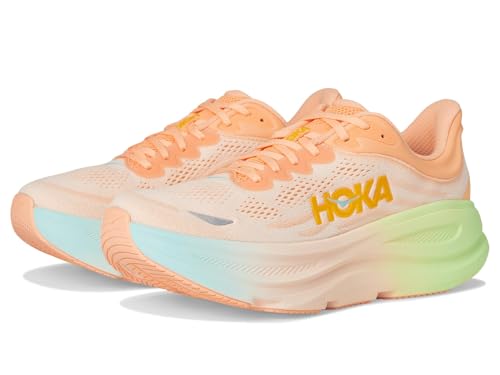
1. HOKA Bondi 9 — Men’s Maximum Cushioning Shoe
The Bondi 9 is the cushioning-focused option for men who want plenty of material underfoot for walking, standing, and road running.
Its rocker-style geometry encourages a smoother rolling transition through each step, while the thick cushioned platform makes it especially appealing when hard surfaces aggravate heel discomfort.
Why it wins: It puts cushioning first, making it a strong option for people who want to reduce the harsh feel of repeated heel strikes.
Pros
- High-cushion design
- Smooth heel-to-toe transition
- Comfortable for walking and road running
- Strong choice for hard surfaces
Cons
- Bulky compared with lighter trainers
- High stack can feel less natural to some users
Trade-offs / Who should skip: Men who need stronger motion control may prefer the ASICS Gel-Kayano 33. Those wanting a casual extra-wide walking shoe should consider ITAZERO instead.
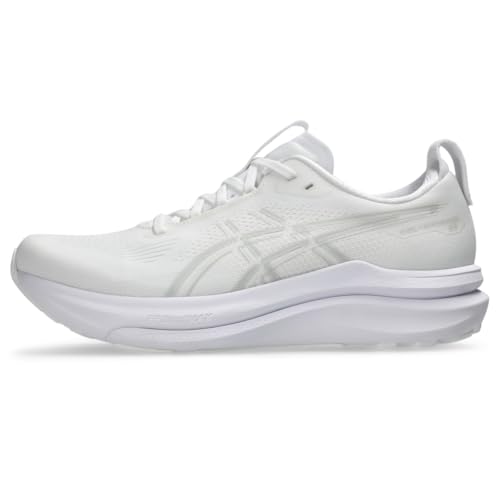
2. ASICS Gel-Kayano 33 — Men’s Stability Running Shoe
The Gel-Kayano 33 is the stability-focused men’s running option in this lineup. It is a better fit for shoppers who want more guidance underfoot than a neutral cushioned shoe provides.
The original lineup specifically positioned the Kayano around overpronation, supportive structure, and rearfoot cushioning.
Why it wins: It combines cushioning with a more structured running platform for people who prefer additional guidance during walking or running.
Pros
- Stability-oriented design
- Supportive running-shoe platform
- Rearfoot cushioning focus
- Suitable for daily road use
Cons
- More structured than a neutral trainer
- May feel overly corrective to some neutral runners
Trade-offs / Who should skip: Choose the Bondi 9 if cushioning matters more than stability. AOV is the better choice for walking and work rather than dedicated running.
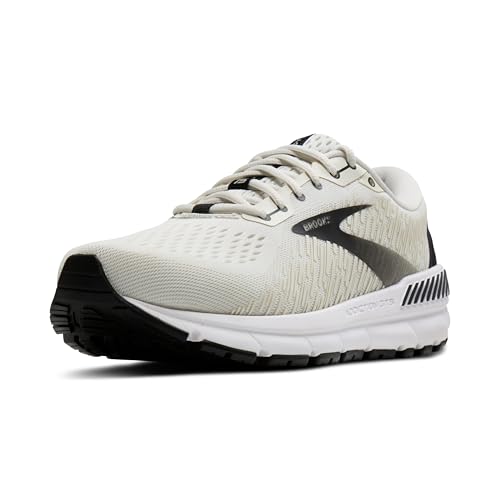
3. Brooks Addiction GTS 15 — Men’s Structured Everyday Runner
The Brooks Addiction GTS 15 gives men another established running-shoe option without returning to the Brooks model that was removed from the original article.
Its supplied listing carries a substantial review history, making it a more established campaign option than many of the generic orthopedic shoes available.
Why it wins: It offers a traditional Brooks GTS running-shoe format for shoppers who want a more structured everyday shoe from a familiar running brand.
Pros
- Established Brooks running line
- GTS model
- Strong supplied review history
- Suitable for everyday athletic use
Cons
- More expensive than generic walking shoes
- Less appropriate if you specifically need an extra-wide slip-on
Trade-offs / Who should skip: ITAZERO is the better fit for very wide feet and casual walking. Choose HOKA Bondi 9 if a softer, cushioning-first feel is the priority.
4. AOV Men’s Arch Support Walking Shoes — Men’s Walking & Standing Pick
AOV specifically markets this men’s sneaker around arch support and plantar-fasciitis-focused walking comfort. The listing also highlights a non-slip rebound sole and suitability for walking, gym use, work, and prolonged standing.
That gives it a different purpose from the running-focused HOKA, ASICS, and Brooks picks.
Why it wins: Its combination of arch-support positioning and walking/work-oriented design makes it a practical everyday option.

Pros
- Arch-support-focused design
- Intended for walking and standing
- Non-slip rebound sole listed
- Athletic sneaker format
Cons
- Smaller review base than the major running brands
- Less performance-focused for serious running
Trade-offs / Who should skip: Runners should lean toward HOKA, ASICS, or Brooks. Men needing substantially more width should choose ITAZERO.
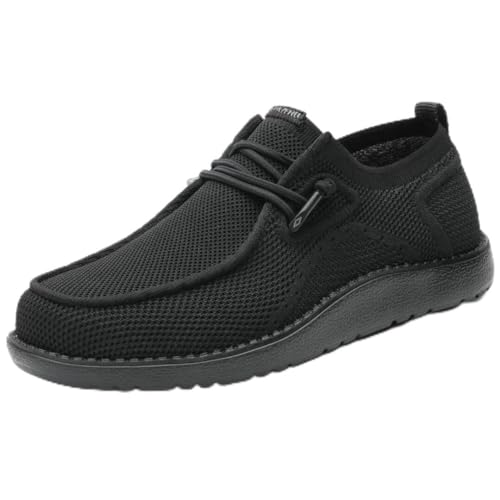
5. ITAZERO Extra Wide Slip-On — Men’s Extra-Wide Shoe
ITAZERO is the fit-specialist option. Its listing specifies a 4E–6E extra-wide design, slip-on construction, orthopedic positioning, and built-in arch support.
It also has one of the deepest supplied review histories among the campaign-backed plantar-fasciitis-specific shoes.
Why it wins: The 4E–6E sizing gives men with genuinely wide feet an option that the conventional running shoes cannot match.
Pros
- 4E–6E extra-wide fit
- Slip-on construction
- Arch support listed
- Walking-oriented design
- Strong supplied review history
Cons
- Casual walking design rather than a running shoe
- Extra-wide shape will be excessive for standard-width feet
Trade-offs / Who should skip: Standard-width runners should choose one of the athletic models above. This pick makes the most sense when toe-box and overall shoe width are major fit problems.
Women’s Picks
6. New Balance Fresh Foam X 880v15 — Women’s Daily Trainer
The women’s Fresh Foam X 880v15 remains the balanced daily-training option from the original article.
Its Fresh Foam X midsole emphasizes consistent cushioning, while the shoe’s smooth transition makes it suitable for regular walking and road-running mileage.
Why it wins: It provides a middle ground between highly structured stability shoes and very bulky maximum-cushion models.


Pros
- Fresh Foam X cushioning
- Comfortable daily-trainer format
- Smooth heel-to-toe transition
- Works for walking and road running
Cons
- Less corrective than a dedicated stability shoe
- Not specifically designed as an orthopedic shoe
Trade-offs / Who should skip: Women wanting a wider toe box and explicit arch-support positioning may prefer AOV. Brooks Ghost Max 3 is worth considering if a more substantial running platform is preferred.
7. Brooks Ghost Max 3 — Women’s High-Cushion Brooks Pick
The Ghost Max 3 is the Brooks women’s running option in this lineup and comes with a large supplied customer-review base.
It gives shoppers who prefer Brooks a different route from the stability-focused models and orthopedic walking shoes elsewhere in the list.
Why it wins: It combines a mainstream running-shoe format with one of the stronger review histories among the supplied women’s campaign options.

Pros
- Brooks running-shoe platform
- Strong supplied review history
- Designed for athletic use
- Good alternative to orthopedic-looking footwear
Cons
- Premium compared with budget walking shoes
- Not marketed specifically as a plantar-fasciitis treatment
Trade-offs / Who should skip: Choose AOV if wide-toe fit and explicit arch-support positioning matter more. Dr. Scholl’s is the more directly plantar-fasciitis-labeled option.
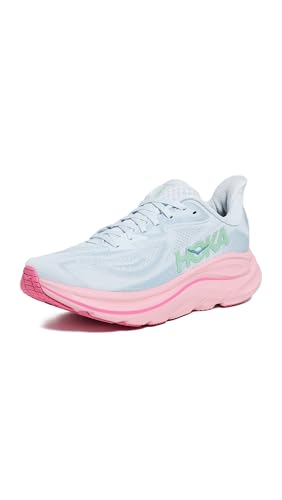
8. HOKA Clifton 10 — Women’s Road Running Shoe
The Clifton 10 is a women’s road-running shoe for shoppers who want a conventional performance-oriented trainer instead of an orthopedic walking shoe.
Its campaign listing has a strong rating and substantial review history, which helps distinguish it from lower-volume alternatives.
Why it wins: It provides a well-established road-running option for women who want supportive footwear that still feels like a regular athletic trainer.
Pros
- Dedicated road-running shoe
- Strong supplied review history
- Athletic everyday design
- Established running brand
Cons
- More expensive than budget walking shoes
- Running-shoe fit may not accommodate every wide foot
Trade-offs / Who should skip: Choose AOV for a wide-toe-box design. Women primarily wanting casual work or walking footwear may find Dr. Scholl’s more appropriate.
9. AOV Women’s Wide Toe Box Walking Shoe — Women’s Wide Toe Box
AOV combines a wide toe box with explicit arch-support and orthotic positioning. The listing specifically identifies the shoe for walking, prolonged standing, and plantar-fasciitis-focused use.
That makes it one of the most purpose-specific women’s shoes in this roundup.
Why it wins: The combination of extra forefoot room and arch support addresses two common fit priorities for shoppers dealing with heel or foot discomfort.

Pros
- Wide toe box
- Arch support listed
- Orthotic-style walking shoe
- Intended for all-day standing
- Lower price than major-brand runners
Cons
- Smaller review base than HOKA or Brooks
- Less suited to performance running
Trade-offs / Who should skip: Choose Clifton 10 or Ghost Max 3 for dedicated running. AOV makes more sense for walking, work, and shoppers prioritizing forefoot room.
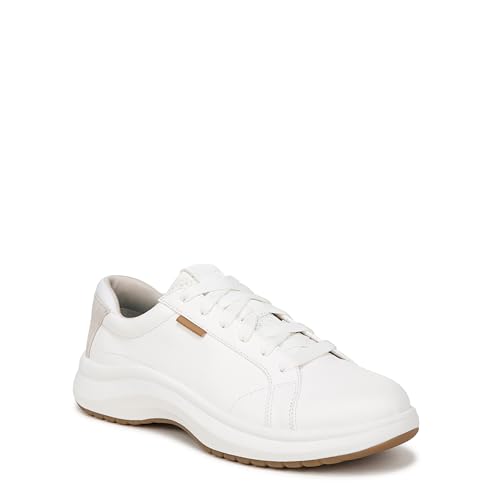
10. Dr. Scholl’s Feel Good Plantar Fasciitis — Women’s Everyday PF-Specific Pick
Dr. Scholl’s Feel Good Plantar Fasciitis is the most explicitly condition-focused women’s listing in the lineup.
It also has a much deeper supplied review history than many generic orthopedic alternatives, which makes it a useful everyday option for shoppers who want something positioned specifically around plantar-fasciitis comfort.
Why it wins: The model is explicitly marketed around plantar fasciitis while coming from a familiar foot-care brand.
Pros
- Explicit plantar-fasciitis positioning
- Established foot-care brand
- Strong supplied review depth
- Everyday footwear option
Cons
- Supplied rating is lower than several premium running shoes
- Not the first choice for performance running
Trade-offs / Who should skip: Runners should lean toward New Balance, Brooks, or HOKA. Women needing a particularly wide toe box should choose AOV.
Quick Compare
- Men — maximum cushioning: HOKA Bondi 9
- Men — stability running: ASICS Gel-Kayano 33
- Men — structured everyday runner: Brooks Addiction GTS 15
- Men — walking and standing: AOV Men’s Arch Support Walking Shoes
- Men — extra-wide fit: ITAZERO Extra Wide Slip-On
- Women — daily trainer: New Balance Fresh Foam X 880v15
- Women — high-cushion Brooks pick: Brooks Ghost Max 3
- Women — road running: HOKA Clifton 10
- Women — wide toe box: AOV Women’s Wide Toe Box Walking Shoe
- Women — PF-specific everyday option: Dr. Scholl’s Feel Good Plantar Fasciitis
Final Verdict
For men, the HOKA Bondi 9 is the cushioning-first option, while ASICS Gel-Kayano 33 provides a more structured stability-focused alternative. Brooks Addiction GTS 15 covers everyday athletic use, AOV is better suited to walking and standing, and ITAZERO is the standout when extra-wide 4E–6E sizing is the priority.
For women, New Balance 880v15 is the balanced daily trainer, while Brooks Ghost Max 3 and HOKA Clifton 10 provide mainstream running-shoe alternatives. AOV is the better choice for a wide toe box and arch-support-focused walking shoe, and Dr. Scholl’s offers the most explicitly plantar-fasciitis-positioned everyday option.
Footwear can improve comfort and support, but persistent heel pain, numbness, swelling, or pain that continues despite changes in footwear should be evaluated by a qualified healthcare professional.