
Best Home Gym Equipment for a Strong, Space-Smart Setup
As an Amazon Associate I earn from qualifying purchases. Some links may earn us a commission at no extra cost to you.
A solid home gym doesn’t need 20 machines—it needs a few safe, versatile staples that fit your space and training style. I prioritized gear that covers the most movement patterns (push/pull/squat/hinge/core) without turning your room into a storage unit.
How I researched — I compared the most recent spec sheets and reputable roundups (past 12 months), prioritized load ratings (safety) as my primary metric, checked space/fit and upgrade paths, noted availability, and weighed performance plus long-term ownership.
Top picks
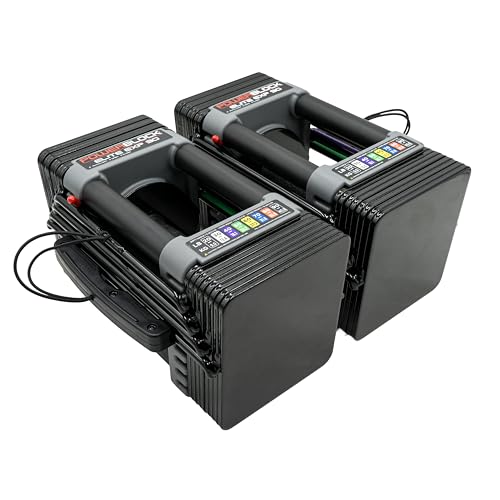
PowerBlock Elite EXP (Stage 1) — Best for strength training in small spaces
If I could only pick one strength upgrade for most home gyms, it’s an adjustable dumbbell set that doesn’t feel like a toy. The Elite EXP system is popular because it’s compact and expandable (with add-on stages, depending on the exact kit you buy). Why it wins: big strength range without a full rack of dumbbells.

Pros
- Replaces many dumbbell pairs in one footprint
- Fast changes between sets with selector pin
- Widely available replacement/expansion ecosystem (by variant)
Cons
- Block shape can feel bulky for some moves
- Expansion compatibility varies by model line
Social proof: See reviews on Amazon.
Who should skip: If you prefer round dumbbells for moves like goblet squats or certain curls, I’d consider fixed dumbbells or a kettlebell instead.
Scores: Performance 4.5/5 • Load rating 4.5/5 • Ease of use 4/5 • Value 4/5
Fitness Reality 810XLT Super Max Power Cage — Best for safe barbell training on a budget
A power cage is the safety backbone for squats, bench, and pulls—especially if you lift without a spotter. This one is known for an 800 lb stated capacity and a straightforward “do the basics well” design.

Pros
- Safer solo lifting with safeties
- Multi-grip pull-up bar adds back work
- Big upgrade path (attachments/plates, depending on hole/size standard)
Cons
- Needs floor space and assembly time
- Not as “premium” as 3×3 racks
Social proof: See reviews on Amazon.
Who should skip: If you have very low ceilings or a tiny room, a fold-in wall rack may fit better.
Scores: Performance 4/5 • Load rating 4/5 • Ease of use 3.5/5 • Value 4.5/5
BowFlex SelectTech 3.1S Stowable Bench — Best for tight spaces that still need incline/decline
A bench multiplies what you can do with dumbbells (pressing, rows, split squats, step-ups). The 3.1S focuses on space-saving storage and offers multiple positions; Bowflex lists specs and warranty details on its product page.

Pros
- Stows vertically to save space
- Multiple angles for press/shoulders/core
- Brand-posted specs & warranty info available
Cons
- Load capacity is lower than heavy-duty benches
- Seat/back shape won’t fit everyone
Social proof: See reviews on Amazon.
Who should skip: If you bench heavy with a barbell, I’d move up to a higher-capacity, wider-pad bench instead.
Scores: Performance 3.5/5 • Load rating 3.5/5 • Ease of use 4/5 • Value 4/5
TRX All-In-One Suspension Trainer — Best for full-body training with almost zero footprint
Suspension training is my favorite “small-space cheat code” because it hits push, pull, legs, and core using bodyweight—plus it’s easy to pack away. Amazon lists a maximum weight recommendation and includes anchors/accessories in the kit.

Pros
- Extremely space-efficient (door/tree/beam setup)
- Scales from beginner to advanced with body angle changes
- Great for core stability and joint-friendly training
Cons
- Door/frame strength matters (home fit varies)
- Not ideal for pure max-strength goals alone
Social proof: See reviews on Amazon.
Who should skip: If you only want heavy progressive overload, prioritize a barbell setup first.
Scores: Performance 4/5 • Load rating 4/5 • Ease of use 4.5/5 • Value 4/5
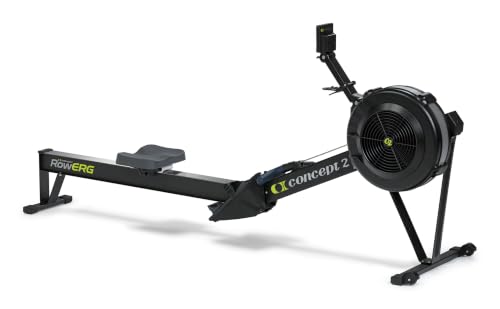
Concept2 RowErg (PM5) — Best “buy once, keep forever” cardio
For cardio that doesn’t feel like punishment, rowing gives you a low-impact, full-body option. Concept2 backs the RowErg with a limited warranty (including longer coverage on frame parts).
Pros
- Durable reputation and strong support ecosystem
- Tracks consistent performance metrics (PM5)
- Stores in two pieces for easier space management
Cons
- Learning curve for good rowing form
- Not silent (it’s quieter than many, but not whisper-quiet)
Social proof: See reviews on Amazon.
Who should skip: If knee bend is uncomfortable, a bike may be a better fit.
Scores: Performance 4.5/5 • Load rating 4/5 • Ease of use 4/5 • Value 4/5
Quick compare
- Best strength in the least space: PowerBlock Elite EXP (Stage 1)
- Best barbell safety foundation: Fitness Reality 810XLT cage
- Best stowable bench: BowFlex 3.1S
- Best “tiny apartment” full-body tool: TRX All-In-One
- Best long-term cardio piece: Concept2 RowErg
FAQs
What’s the best first piece of home gym equipment?
If I had to pick one: adjustable dumbbells—they cover the most exercises in the least space.
Do I need a power rack to get strong?
No, but a rack makes heavy barbell training safer and more scalable (especially if you lift alone).
Is a rower better than a treadmill for a home gym?
A rower is typically more space-efficient and full-body; a treadmill is simpler if you just want walking/running. The best choice is the one you’ll do consistently.
Should I buy Bowflex SelectTech 552 dumbbells?
I wouldn’t—there’s an official CPSC recall notice for BowFlex adjustable dumbbells due to an impact hazard (weight plates can dislodge).
As an Amazon Associate, I earn from qualifying purchases.